
Every time you browse the internet, whether buying shoes online, signing up for a newsletter, or checking your bank account, you’re sending and receiving personal information. The big question is—who else can see it? Without protections in place, data travels across networks like an open postcard, readable by anyone who intercepts it. Enter SSL certificates, the silent protectors that lock down communication, build confidence, and transform a potentially unsafe internet into a trustworthy digital landscape. Understanding how SSL works and why it’s so important isn’t just technical trivia—it’s essential knowledge for anyone with an online presence.
The Foundation of SSL: A Digital Passport
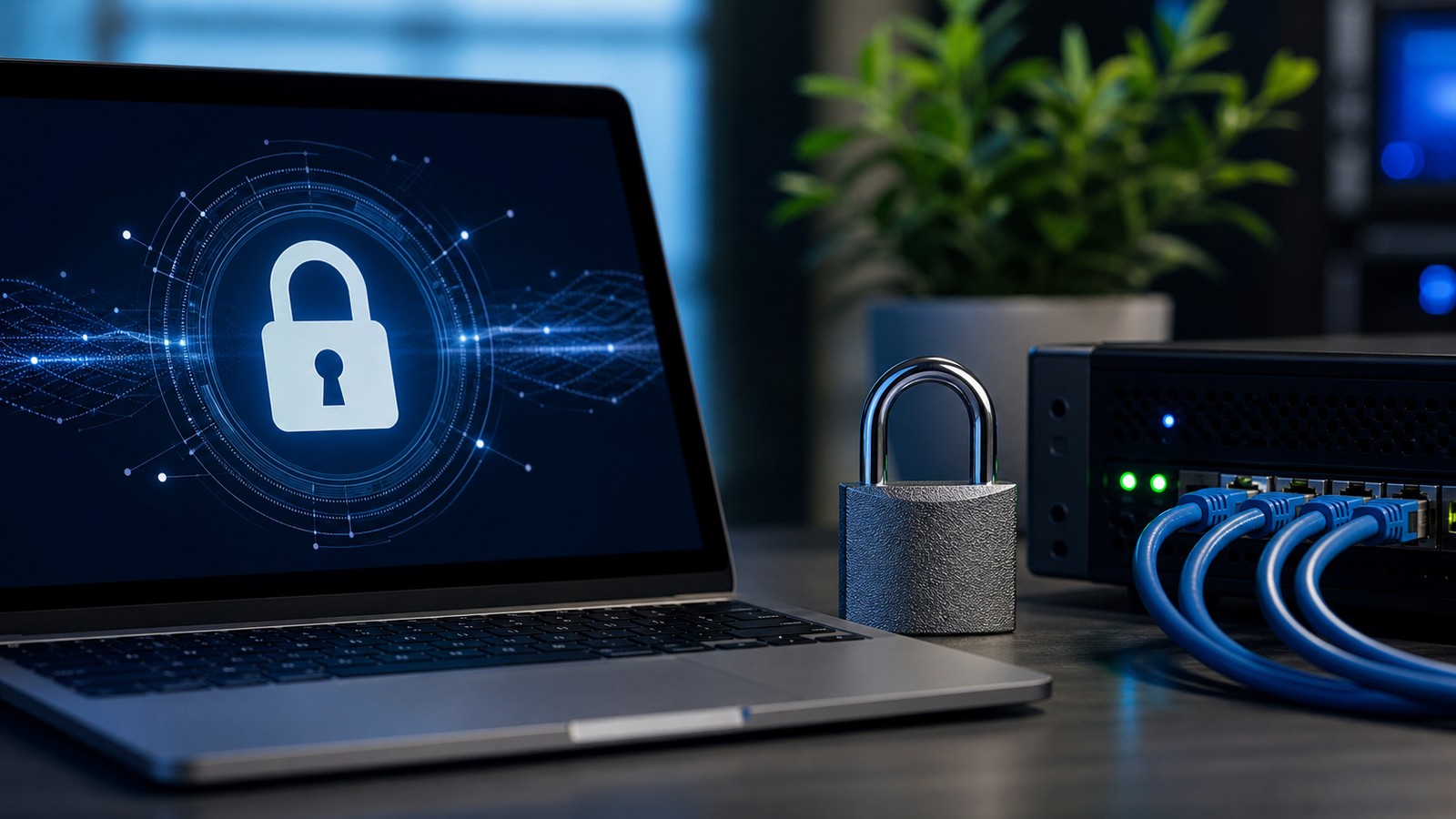
SSL, which stands for Secure Sockets Layer, is a technology that establishes a secure connection between a user’s browser and a website’s server. When you see “https://” at the beginning of a web address and notice the padlock icon in the browser bar, SSL is at work. Think of it as a digital passport that proves a website is who it says it is. Without this verification, malicious websites could easily impersonate legitimate ones, tricking people into handing over valuable information. At the heart of SSL is encryption. Instead of sending data in plain text, which anyone could read if they intercepted it, SSL scrambles information into a code that only the intended recipient can decipher. This means your credit card details, login credentials, and personal messages remain private as they travel across the internet. SSL also ensures that data isn’t altered in transit, protecting against tampering and manipulation. The result is a digital handshake of authenticity and privacy between you and the websites you trust.
Inside the SSL Handshake: What Really Happens
The fascinating part about SSL is how seamlessly it works in the background. When your browser visits a secure website, a series of steps unfold in milliseconds—steps that form what is known as the SSL handshake.
The handshake begins when your browser requests a secure connection from the server. The server responds by sending its SSL certificate, which contains a public key and information about the website’s identity. Your browser checks this certificate against trusted Certificate Authorities (CAs), which are organizations responsible for issuing and validating SSL certificates. If the certificate is valid and trustworthy, your browser and the server proceed to exchange keys.
These keys are critical. They enable symmetric encryption, meaning that after the handshake, both the server and your browser share a unique session key that scrambles and unscrambles all communication. Public and private key pairs initiate the process, but it’s the session key that handles the heavy lifting of encrypting every bit of data for the rest of the session. All of this unfolds so quickly that most users never notice the complex cryptography at play. They simply see a padlock icon and trust that their information is safe.
The Types of SSL Certificates and Their Purpose
Not every SSL certificate is the same. The type you choose depends on your goals, the scale of your website, and how much trust you need to convey to your audience. Domain Validation (DV) certificates are the simplest form. They verify that the applicant owns the domain, and they’re widely used for blogs, personal websites, and small businesses. Organization Validation (OV) certificates go a step further, confirming not only domain ownership but also organizational details like the business name and location. This extra layer of verification makes them more suitable for established companies that want to display authenticity.
At the highest level are Extended Validation (EV) certificates. These undergo rigorous vetting by Certificate Authorities, ensuring the business is legitimate and trustworthy. Websites with EV certificates often display the company name next to the padlock icon, providing maximum reassurance for users making sensitive transactions. There are also wildcard certificates, which secure a domain and all its subdomains, and multi-domain certificates, which protect multiple domains under one certificate. Choosing the right type depends on whether you’re running a small blog, a bustling online store, or a corporation with a network of websites.
Why SSL Is More Than Just Security
While SSL is primarily about securing communication, its benefits stretch far beyond encryption. For one, it’s a powerful trust signal. Today’s users are alert to browser warnings. When they see “Not Secure” next to a website’s address, they often leave immediately. Conversely, the presence of a padlock symbol reassures them that they can share information without fear.
SSL also plays a role in search engine optimization. Google and other search engines use HTTPS as a ranking factor. Websites with SSL certificates often gain an edge in visibility, which can translate into more traffic and higher conversions. For businesses, nonprofits, and creators alike, SSL becomes a direct contributor to growth.
Regulatory compliance is another factor. Many data protection laws, including GDPR in Europe and PCI-DSS for payment processing, require encryption. Failure to implement SSL could mean penalties, lawsuits, or exclusion from essential payment systems. What begins as a simple security tool quickly proves to be a multifaceted asset in reputation, compliance, and performance.
Common Myths That Cloud the Truth About SSL
Even though SSL has become mainstream, myths and misconceptions still surround it. One common belief is that SSL guarantees complete protection against cyber threats. While it does secure the communication channel, it doesn’t shield websites from malware, poor coding practices, or phishing schemes. SSL is an essential component, but it’s not a one-stop shop for total security.
Another myth is that SSL is only necessary for sites that process payments or handle sensitive data. In reality, every website benefits from SSL. Even something as simple as a contact form gathers personal details that deserve protection. Moreover, search engines penalize non-HTTPS websites, meaning that lack of SSL affects visibility regardless of whether the site processes payments. There’s also the assumption that SSL certificates are expensive and difficult to set up. While that may have been true in the past, initiatives like Let’s Encrypt have changed the game by offering free SSL certificates. Many web hosts now include SSL as part of their standard package, making it accessible to businesses and individuals of all sizes.
Installing SSL and Keeping It Alive
For most modern website owners, installing SSL is surprisingly straightforward. Many hosting providers integrate SSL certificates automatically, requiring little more than a click to enable HTTPS. For those who need more specialized certificates, the process involves purchasing from a Certificate Authority, generating a Certificate Signing Request (CSR) from the server, and completing the validation steps. Once the certificate is issued, it must be installed on the server and configured properly.
The journey doesn’t end there. SSL certificates expire, usually after one year, though some providers are extending to longer validity periods. An expired certificate creates browser warnings that instantly erode trust. Auto-renewal options are available to prevent lapses, but diligent monitoring is still essential. Testing tools exist to confirm that SSL is working as intended. These tools can identify weak encryption, misconfigurations, or gaps in security that need attention. Proper management of SSL certificates ensures they continue to provide maximum protection, keeping your website trustworthy and professional at all times.
SSL as the Backbone of Digital Confidence
When you strip away the acronyms and technical jargon, SSL is fundamentally about confidence. It’s about giving your audience the assurance that your website respects their privacy, safeguards their information, and takes security seriously. In an era where cybercrime is rampant and skepticism is high, that assurance is priceless. Businesses that invest in SSL not only meet technical requirements but also strengthen their brand image. A secure online store reassures customers making purchases. A nonprofit with HTTPS reassures donors that their contributions are safe. Even a personal website benefits from projecting professionalism and care through SSL. As technology evolves, the SSL protocol itself has been succeeded by TLS (Transport Layer Security), though the term “SSL” remains in popular use. The principles remain unchanged: encrypt data, verify identities, and build trust. For the foreseeable future, SSL certificates will remain a non-negotiable cornerstone of the web, ensuring that communication stays secure and that the digital world continues to move forward with confidence.
Top 10 Best Shared Web Hosting Reviews
Explore Hosting Street’s Top 10 Best Shared Hosting Reviews! Dive into our comprehensive analysis of the leading hosting services, complete with a detailed side-by-side comparison chart to help you choose the perfect hosting for your website.